Source Natural Wood Butter Knife for Restaurants, Hotels, and Catering
Find 30 listings for natural wood butter knife options including wooden spreaders and disposable utensils. Buyers can compare specifications, MOQs, and pricing from suppliers in China to find suitable kitchen tools for various applications.
Key considerations
Products List
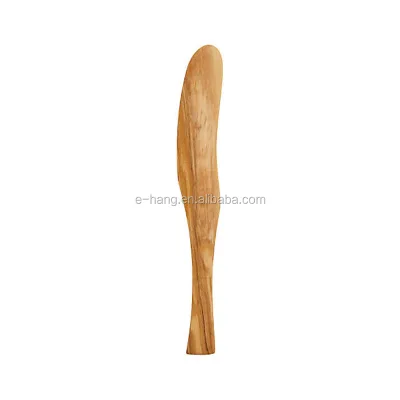
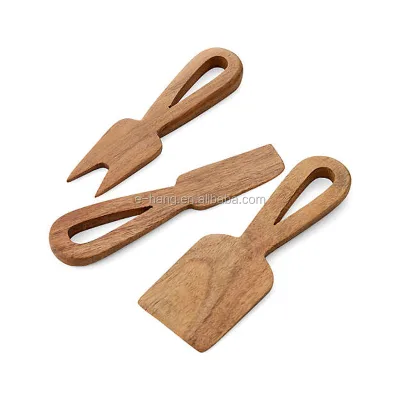


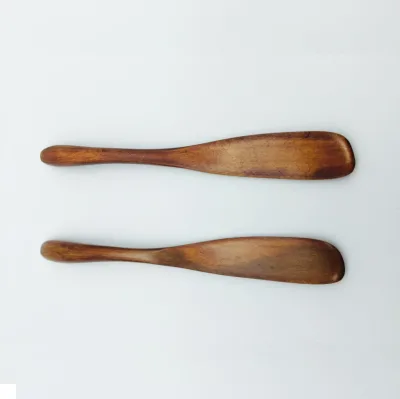


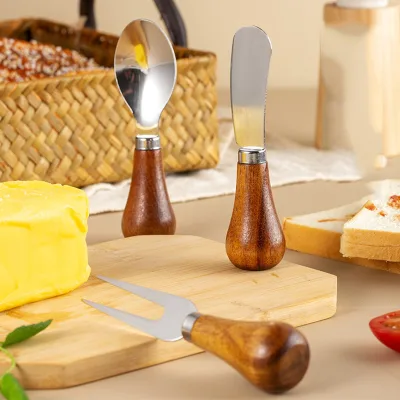


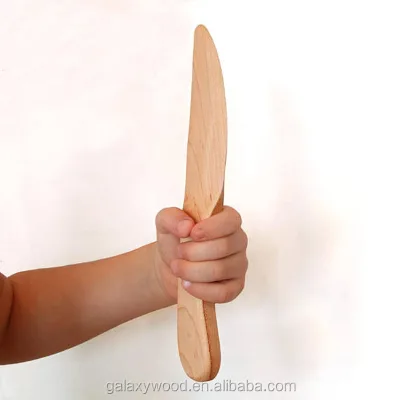
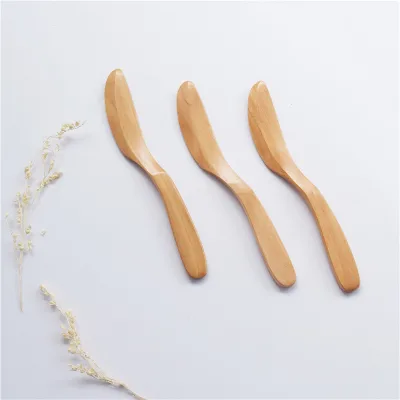
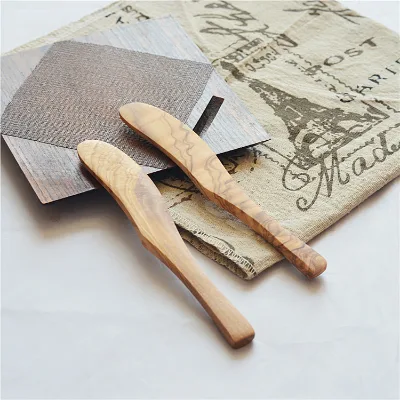
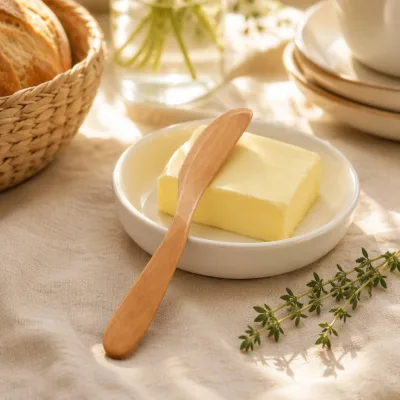



Comprehensive Sourcing Guide
Strategic Sourcing Guide for Natural Wood Butter Knives
Understanding Product Attributes and Material Composition
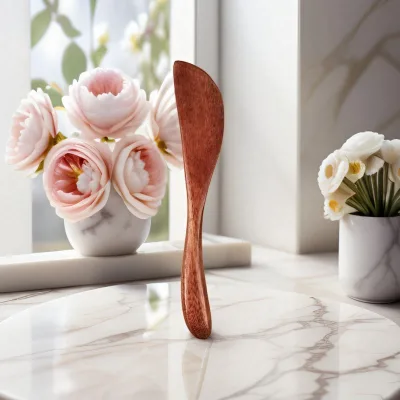
When sourcing natural wood butter knives, the primary focus must be on the material integrity and the specific application of the utensil. Based on current market observations, these products are frequently categorized under "Wood Spreader" or "Wood Cheese Knives," with a distinct emphasis on their eco-friendly nature. The core material is consistently identified as wood, often retaining its natural color or appearing in shades such as chocolate, brown, or natural wood tones. This material choice aligns with the growing demand for sustainable alternatives to plastic and metal flatware in the food service industry.
The physical form of these knives varies significantly depending on the intended use. While some listings specify a "Square" shape, others describe a more traditional spreader profile. The dimensions are critical for functionality; observed specifications include lengths ranging from 95mm to 165mm, with widths typically around 17mm to 22mm and thicknesses between 1.3mm and 1.7mm. These dimensions ensure the knife is sturdy enough to spread soft cheeses or butter without bending, yet light enough for disposable applications. The "Disposable" style is a common attribute, suggesting these items are designed for single-use events such as weddings, parties, and hotel banquets, where hygiene and waste reduction are paramount.
Technical Specifications and Dimensional Standards
Precision in manufacturing is essential for natural wood butter knives to ensure they perform effectively as kitchen tools. The technical specifications observed in the market reveal a variety of standard sizes tailored to different serving needs. Buyers should verify that the supplier can provide products meeting specific dimensional requirements, as the market offers models with lengths of 120mm, 140mm, 160mm, and 165mm. The cross-sectional dimensions, such as a width of 22mm and a thickness of 1.3mm, are crucial for maintaining structural rigidity.
The following table summarizes the observed dimensional standards and model variations available in the current supply chain:
| Model Reference | Length (mm) | Width (mm) | Thickness (mm) | Primary Shape |
|---|---|---|---|---|
| EH-N300 | 160 | 22 | 1.3 | Square |
| EH-N283 | 120 | 17 | 1.7 | Standard |
| HDP0749 | 95-165 | Variable | 1.3-1.7 | Standard |
| Generic Standard | 105-165 | 17-22 | 1.3-1.7 | Standard |
It is important to note that while specific model numbers like EH-N300 or HDP0749 are associated with these dimensions, buyers must confirm that the final product matches these specifications before placing a large order. The "Standard" category often encompasses a range of lengths (95mm to 165mm), allowing for customization based on the specific type of spreader required. The material thickness is a key indicator of durability; a thickness of 1.3mm is generally sufficient for disposable use, while 1.7mm may offer enhanced rigidity for heavier-duty applications.
Compliance, Certification, and Regulatory Checks
Navigating the compliance landscape for wood-based kitchenware requires careful attention to certifications and material safety standards. The market data indicates that many natural wood butter knives carry an "Lfgb" certification. This is a German food safety standard that is highly regarded in the industry, ensuring that the wood and any finishes used are safe for contact with food. Buyers should explicitly request proof of Lfgb compliance to ensure the product meets rigorous safety thresholds for food contact materials.
In addition to Lfgb, the "Eco-Friendly" attribute is a dominant feature of these products. This classification suggests that the wood is sourced sustainably, though buyers should verify the specific origin of the wood to ensure it aligns with their corporate sustainability goals. While some background information mentions ISO 27001:2022 or FSC (Forest Stewardship Council) standards, these should be treated as potential background factors rather than guaranteed attributes of every listed product. The buyer must directly ask suppliers for FSC certification if sustainable forestry practices are a mandatory requirement for the procurement.
Furthermore, the "Customized Logo Acceptable" attribute indicates that branding is a common practice. However, any inks or printing methods used for logos must also comply with food safety regulations. The "OEM" (Original Equipment Manufacturer) nature of the branding suggests that the supplier is willing to adapt the product to the buyer's specifications, but the underlying material safety remains the buyer's responsibility to verify.
Cost Drivers and Pricing Dynamics
The pricing structure for natural wood butter knives is influenced by several factors, including material costs, order volume, and customization requirements. The observed price range in the market spans from $0.01 to $39.00 USD, though this wide range likely reflects the difference between bulk disposable units and specialized, high-end spreaders. For disposable wooden knives, the unit price is often very low, with specific listings indicating a range of $0.005 to $0.0089 USD per piece.
Minimum Order Quantity (MOQ) is a significant driver of cost efficiency. The market shows a wide variation in MOQ, ranging from as low as 50 pieces to as high as 50,000 pieces. A common MOQ observed is 1,000 pieces, which serves as a baseline for many suppliers. Buyers with smaller requirements may face higher per-unit costs or need to seek suppliers with lower MOQ thresholds, such as the 50-piece option noted in some listings. The "Selling Units" are often listed as "Single item," but this typically refers to the catalog listing rather than the actual transactional unit, which is usually sold in packs of 100 or cartons.
Other cost factors include the "Normal Package" or "Carton Box" packaging options. Custom packaging, such as "OEM PACKAGE," may incur additional costs. The "Supply Ability" of 20,000 units per month suggests that while the product is mass-producible, large orders may require careful scheduling to ensure timely delivery. Buyers should also consider the payment terms, which often require a 30% deposit and 70% before shipment, affecting cash flow planning.
Typical Applications and Market Segmentation
Natural wood butter knives serve a diverse range of applications across various sectors. The primary use cases identified include "Kitchen," "Party," "Home," "Restaurant," "Bar," "Hotel," "Wedding," and "Super Markets Promotions." The "Disposable" style makes these knives particularly suitable for events where hygiene is a priority, such as weddings and large parties, where the convenience of single-use utensils outweighs the need for reusability.
In the hospitality sector, hotels and restaurants utilize these knives for breakfast service, cheese platters, and dessert presentations. The "Wood Spreader" designation highlights their specific function in spreading soft foods without damaging the surface of the food or the plate. The "Eco-Friendly" attribute is increasingly important for businesses aiming to reduce their plastic footprint, making these knives a strategic choice for environmentally conscious establishments.
The versatility of the product is further demonstrated by the "Customized Logo" feature, which allows businesses to use these knives as promotional items. Supermarkets and brands often distribute these knives during promotions to enhance brand visibility while providing a functional item to consumers. The "Stocked" attribute indicates that some suppliers maintain inventory for immediate shipment, which is beneficial for buyers with urgent needs or those looking to test the market with smaller initial orders.
Supplier Evaluation and Operational Logistics
Selecting the right supplier involves evaluating their production capabilities, lead times, and logistical readiness. The "Place of Origin" is predominantly China, with specific mentions of Anhui as a manufacturing hub. This region is known for its wood processing industry, which can offer competitive pricing and a wide variety of wood types. Buyers should verify the specific factory location to ensure it aligns with their supply chain preferences.
Lead times are a critical operational factor. The observed "Sample time" ranges from 7 to 10 days, which is standard for customizing prototypes. For bulk production, the "Delivery Time" can vary significantly; some listings mention a minimum order quantity delivery time of just 2 days, while others may require longer periods depending on the order size and customization level. The "Supply Ability" of 20,000 units per month provides a baseline for capacity, but buyers should confirm the supplier's ability to scale up for larger orders.
Logistics and shipping are managed through the "Port of Dispatch," with Ningbo being a common port for these products. The "Payment" terms typically involve a 30% deposit and 70% balance before shipment, which is a standard practice in international trade. Buyers should ensure that the "Package" details, such as "100 Pieces/Pack" or "Carton Box," meet their storage and distribution requirements. The "Customizable" nature of the product allows for flexibility in branding, but it also requires clear communication with the supplier to avoid errors in the final product.
Long-Term Procurement Considerations
Sourcing natural wood butter knives is not just a one-time transaction but a strategic decision that impacts brand image and sustainability goals. The "Eco-Friendly" and "OEM" attributes suggest that these products can be a cornerstone of a company's green initiative. However, long-term success depends on maintaining consistent quality and supply reliability. Buyers should establish a robust quality control process to ensure that every batch of knives meets the specified dimensions and material standards.
The variability in MOQ and pricing means that buyers should plan their procurement strategy carefully. For long-term contracts, negotiating a fixed price and a consistent MOQ can help stabilize costs. Additionally, the ability to customize logos and packaging allows for brand differentiation, which can be a significant competitive advantage in the food service and promotional markets.
Finally, buyers should remain vigilant about changes in regulations and sustainability standards. As the market evolves, certifications like FSC or additional food safety standards may become more critical. Maintaining a close relationship with suppliers and staying informed about industry trends will ensure that the procurement of natural wood butter knives remains a strategic asset for the business. By focusing on technical specifications, compliance, and supplier reliability, buyers can secure a steady supply of high-quality, eco-friendly wooden spreaders that meet the demands of modern consumers.
FAQs
What certifications do natural wood butter knives typically have?
Many natural wood butter knives carry Lfgb certification, ensuring food safety compliance. This German standard verifies that the wood and any finishes are safe for direct food contact, which is critical for kitchen and hospitality applications.
How long does it take to receive samples for these knives?
Sample time typically ranges from 7 to 10 days for customization requests. Buyers should plan their procurement schedule accordingly, as this lead time applies before bulk production begins for orders like the 1000-piece minimum.
Which dimensions are standard for wooden spreader knives?
Standard dimensions include lengths from 95mm to 165mm with widths around 17mm to 22mm. Specific models like EH-N300 measure 160mm by 22mm, while EH-N283 is 120mm by 17mm, ensuring rigidity for spreading tasks.
Can I customize the logo on these wooden knives?
Yes, customized logo acceptance is available for most natural wood butter knife listings. Suppliers often offer OEM packaging options, allowing brands to add their identity while maintaining the eco-friendly and disposable nature of the product.
What is the minimum order quantity for these products?
The minimum order quantity varies, with common thresholds at 1000 pieces or as low as 50 pieces. Some suppliers list a general MOQ of 1000, while others accommodate smaller trials with a 50-piece minimum for specific models.
Where are these wooden knives typically manufactured?
These products are predominantly manufactured in China, with specific hubs noted in Anhui. The port of dispatch is often Ningbo, facilitating international shipping for buyers seeking cost-effective sourcing from established wood processing regions.